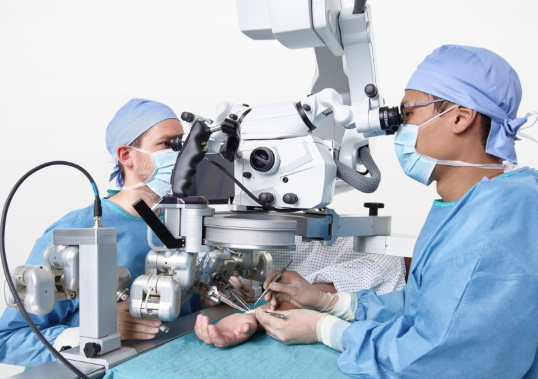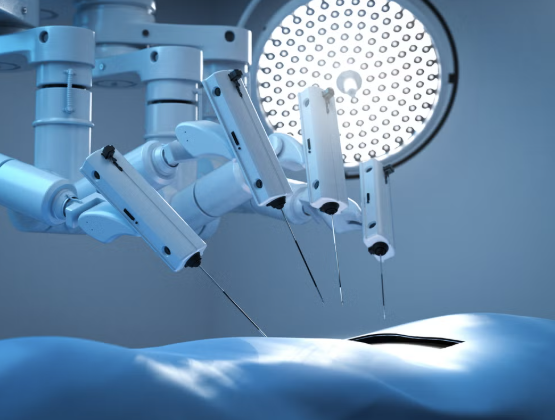

Robotic surgery has emerged as a transformative force in modern medicine. It enhances precision and minimizes recovery time through minimally invasive techniques. Systems like the da Vinci Surgical System exemplify this evolution, offering surgeons advanced dexterity. However, the integration of robotics also presents significant challenges, including high costs and technical failures. Understanding these dynamics is crucial for assessing the future trajectory of robotic surgical practices and their potential impact on patient care.
The Advantages of Robotic Surgery: Precision and Recovery Benefits
Although traditional surgical techniques have their merits, robotic surgery offers significant advantages that enhance precision and recovery outcomes.
The utilization of robotic systems facilitates enhanced accuracy through minimally invasive approaches, allowing surgeons to perform intricate maneuvers with greater dexterity.
This results in reduced complications, shorter recovery times, and improved patient satisfaction.
Consequently, robotic surgery represents a progressive shift in surgical practice, promoting autonomy in healthcare.
Common Types of Robotic Surgical Systems Used Today
Robotic surgical systems have become pivotal in modern medicine, enhancing the capabilities of surgeons while improving patient outcomes.
Prominent examples include the da Vinci Surgical System, renowned for its precision in minimally invasive procedures, and the ROSA robotic system, utilized in neurosurgery and orthopedic applications.
These systems exemplify the integration of advanced technology to facilitate complex surgical interventions with improved accuracy and reduced recovery times.
Challenges and Limitations of Robotics in Surgery
While robotic surgical systems offer significant advancements in precision and control, several challenges and limitations persist, impacting their widespread adoption.
Cost implications remain a critical barrier, as the initial investment and maintenance expenses can be prohibitive for many healthcare institutions.
Additionally, technical malfunctions pose significant risks during procedures, potentially compromising patient safety and outcomes.
These factors necessitate careful consideration in the integration of robotics into surgical practice.
See also: Robotics in Healthcare and Surgical Procedures
The Future of Robotics in Surgical Procedures: Trends and Innovations
As advancements in technology continue to evolve, the future of robotics in surgical procedures is poised to undergo transformative changes that enhance efficiency and patient outcomes.
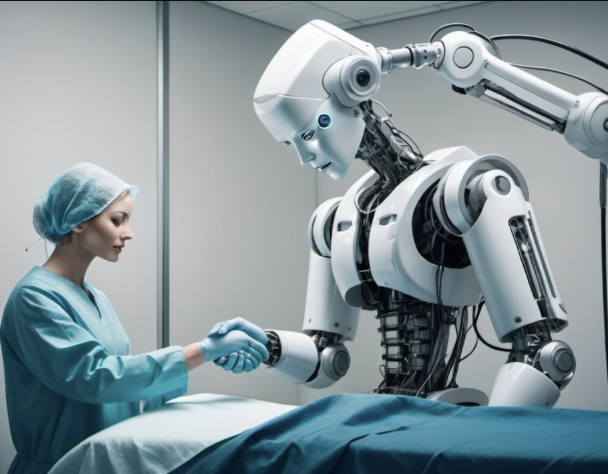
Key trends include the integration of AI, enabling autonomous systems to perform intricate tasks with precision.
These innovations promise to reduce surgical times, improve accuracy, and facilitate personalized medicine, ultimately empowering both surgeons and patients in the surgical landscape.
Conclusion
In the evolving landscape of surgical procedures, robotics serves as a finely tuned compass, guiding surgeons toward enhanced precision and improved patient outcomes. As advancements continue to unfold, the integration of artificial intelligence represents a lighthouse, illuminating pathways for personalized care and efficiency. However, the shadows of cost and technical limitations remind stakeholders of the balance required in this transformative journey. Ultimately, the marriage of human expertise and robotic innovation symbolizes a new era in medicine, where possibilities expand like horizons at dawn.