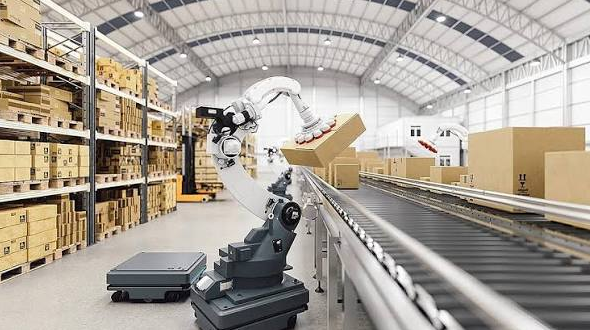

Modern production environments are evolving at a pace that is reshaping the entire foundation of global industry. Factories that once depended entirely on human effort are now transitioning into highly intelligent ecosystems where machines, software, and data work together to achieve precision-driven output. This shift is not just about replacing manual effort but about building systems that can operate with consistency, accuracy, and scalability far beyond traditional methods.
In this transformation, robotic arm manufacturers play a central and irreplaceable role. These engineering innovators design and produce mechanical systems that replicate human arm movements with controlled accuracy, enabling industries to automate complex processes that were once considered impossible to mechanize effectively. Their contribution extends far beyond hardware creation, influencing productivity models, operational efficiency, and even workplace safety standards across multiple sectors.
The Changing Nature of Industrial Production
Industrial production has moved through several major phases over time. Early manufacturing systems relied heavily on human labor supported by basic mechanical tools. While effective for smaller operations, these systems lacked consistency and struggled to maintain high output levels over extended periods.
As global demand increased, industries began adopting semi-automated machines to improve efficiency. However, even these systems had limitations in flexibility and precision. The modern industrial era demands something far more advanced, where machines can not only perform repetitive tasks but also adapt to complex operational requirements.
This demand has led to the rapid development of robotic automation systems, with robotic arms becoming one of the most important components in advanced production environments.
See also: How AI Helps Insurers Manage Cyclone Claims at Scale
Role and Function of Robotic Arm Manufacturers
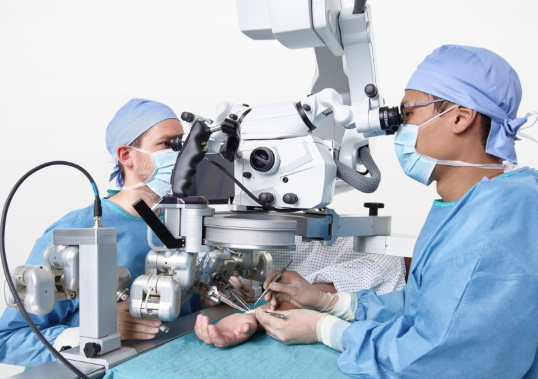
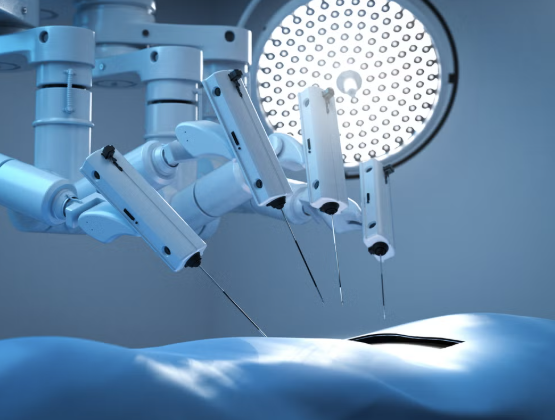
Robotic arm manufacturers are specialized engineering companies that design, develop, and assemble mechanical automation systems capable of performing highly precise movements. These systems are built using a combination of mechanical joints, electronic sensors, motion controllers, and intelligent software programming.
The primary purpose of these manufacturers is to create machines that can replicate human-like movement with extreme accuracy while maintaining stability under continuous industrial usage. Depending on the application, robotic arms may be designed for welding, assembly, packaging, material handling, inspection, or surface treatment.
A critical aspect of robotic arm manufacturers is customization. Different industries require different levels of speed, payload capacity, and motion precision, and manufacturers engineer systems to match those exact requirements without compromising efficiency.
Why Industries Are Shifting Toward Robotic Automation
One of the main reasons industries are increasingly adopting robotic systems is consistency. Human labor, while flexible, naturally varies in performance due to fatigue, environmental conditions, and operational limitations. Robotic systems eliminate these inconsistencies by delivering stable output over long operational cycles.
Another major advantage is operational continuity. Robotic arms can function for extended hours without interruption, making them ideal for high-volume production environments where downtime directly affects profitability.
Additionally, automation reduces error rates in precision-sensitive industries such as electronics manufacturing, automotive assembly, and pharmaceutical packaging. Even small deviations in these sectors can lead to significant losses, making robotic accuracy highly valuable.
Applications Across Diverse Industrial Sectors
Robotic arms are not limited to a single type of industry. Their adaptability allows them to be deployed across a wide range of production environments with different operational demands.
In automotive manufacturing, they are used for welding vehicle frames, assembling components, and applying paint coatings with uniform precision. In electronics production, they handle micro-level components that require extremely careful placement to avoid damage or misalignment.
In logistics and warehouse operations, robotic systems manage sorting, picking, and packaging tasks, significantly improving speed and reducing manual workload. Even in sectors like pharmaceuticals and food processing, robotic arms are used to ensure hygiene, accuracy, and controlled handling.
This versatility highlights why robotic automation has become essential in modern industrial strategy.
Improving Workplace Safety Through Automation
One of the often overlooked benefits of robotic integration is improved workplace safety. Many industrial processes involve repetitive motion, heavy lifting, or exposure to hazardous conditions that can pose risks to human workers.
By assigning such tasks to robotic systems, companies can significantly reduce workplace injuries and long-term physical strain on employees. Machines handle the dangerous or physically demanding operations, while humans focus on monitoring, planning, and quality control.
This balance creates a safer and more sustainable working environment across industries.
Integration with Smart Manufacturing Ecosystems
Modern factories are no longer isolated production units. They are part of interconnected digital ecosystems where machines communicate with each other through centralized control systems.
Robotic arms play a crucial role in this environment by integrating with sensors, production software, and monitoring platforms. This allows real-time tracking of production flow, immediate error detection, and adaptive process optimization.
Such integration improves overall efficiency and ensures that production systems remain flexible and responsive to changing demands.
Technological Advancements Driving Robotic Innovation
The evolution of robotic systems is closely linked to advancements in artificial intelligence, machine learning, and sensor technology. These developments allow robotic arms to perform more complex tasks with higher levels of autonomy.
Modern systems are becoming increasingly capable of adjusting their movements based on real-time feedback, improving precision and reducing operational errors. Future developments are expected to further enhance adaptability, enabling robotic systems to learn and improve over time.
This continuous innovation is a key focus area for robotic arm manufacturers, who are constantly pushing the boundaries of automation technology.
The Future of Industrial Robotics
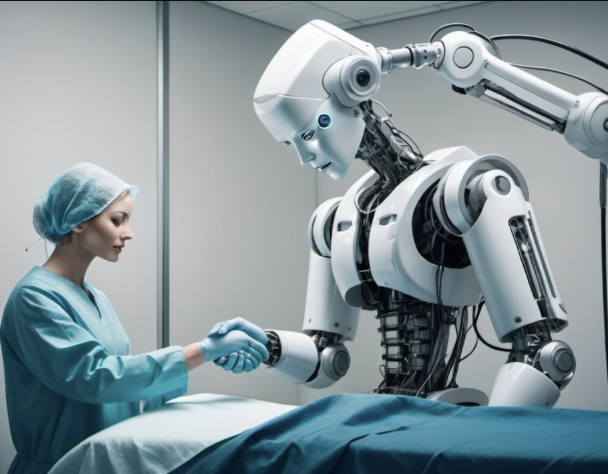
The future of robotic automation is expected to move toward fully intelligent and collaborative systems where machines and humans work together seamlessly. Instead of replacing human workers entirely, robotic systems will increasingly support them by handling complex or repetitive tasks.
Advancements in artificial intelligence, cloud-based control systems, and predictive analytics will further enhance the capabilities of robotic arms, making them more efficient and responsive than ever before.
As industries continue to evolve, robotic automation will become a standard component of global manufacturing infrastructure.
Conclusion
Robotic arm manufacturers are playing a defining role in shaping the future of industrial production. Their innovations are enabling industries to achieve higher levels of precision, efficiency, and safety than ever before.
By combining mechanical engineering with intelligent control systems, they are creating solutions that not only improve productivity but also transform how modern factories operate.
As global industries continue to move toward automation, the influence of robotic systems will only increase, making these manufacturers essential contributors to the next era of industrial advancement.