
Physical keys have a way of multiplying. A few copies get made for new staff, a contractor borrows one, someone moves out and forgets to return theirs. Before long, no one is sure exactly who can open which door. Rekeying locks is expensive and disruptive, so many property owners simply live with the risk. Modern access control systems solve this problem, and today they are more affordable and easier to manage than ever.
What Access Control Does
An access control system decides who can open a door and when. Instead of a metal key, people present a credential at a reader. The system checks whether that credential is allowed through that door at that time, then releases an electric lock or strike. Every attempt, successful or denied, is logged.
This makes it simple to grant or remove access instantly, set schedules such as office hours or cleaning windows, and see exactly who entered where.
Credential Options Have Expanded
Key cards and fobs are still common, but modern systems support a wide range of ways to unlock a door:
- Key fobs and cards using RFID or NFC
- PIN codes, useful for deliveries or temporary access
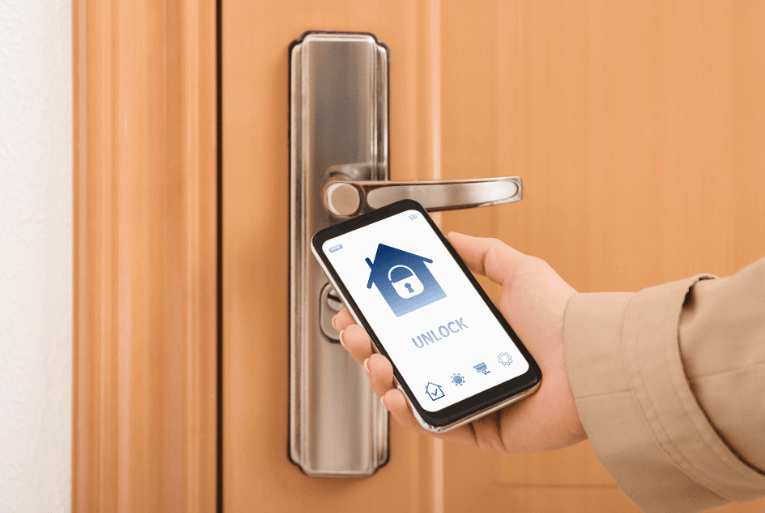
- Mobile credentials, where a smartphone acts as the key via Bluetooth, NFC or an app
- QR codes sent to visitors for a set time window
- Facial recognition, which removes the need to carry anything at all
Offering several options at the same door makes life easier for residents and employees while keeping control in the hands of the property manager.
The Shift to the Cloud
Traditional access control relied on on-site servers and software installed on a single office computer. Changes had to be made on-site, and multi-location businesses needed separate systems for each building.
With cloud-based access control, administrators manage doors, users and schedules through a web portal or app from anywhere. A property manager can add a new tenant, revoke a lost fob or unlock a door for a contractor without visiting the building. Software updates happen automatically, and multiple sites can be managed from one dashboard.
Benefits for Offices
- Instant onboarding and offboarding when staff join or leave
- Time-based access so cleaners, vendors and contractors only enter during approved hours
- Restricted access to server rooms, stock rooms and records storage
- Audit trails that support security investigations and compliance requirements
Benefits for Apartment and Multifamily Buildings
- Video intercoms that let residents see and admit visitors from their phones
- Temporary codes for guests, dog walkers and delivery drivers
- Access to shared amenities such as gyms, pools and package rooms
- Fewer lockout calls and no costly rekeying when residents move out
Pair Access Control With Video
Access control tells you which credential opened a door. Cameras tell you who actually walked through it. When the two systems are integrated, every door event can be matched to video, making it easy to spot shared credentials, tailgating or forced entry. Many modern intercoms and door stations include built-in cameras for this reason.
What to Look for in a System
- Support for the credential types your users want
- A clear, reliable mobile app for both administrators and users
- Offline operation, so doors still work if the internet connection drops
- Integration with video surveillance and intercoms
- Compliance with fire and life-safety codes, including free egress
- Simple installation, especially for retrofits in older buildings
See also: How an Accountant Can Help You Grow Your Business
Planning Your Upgrade
Start with the doors that matter most, usually main entrances, followed by sensitive internal rooms. Check the existing door hardware, since some doors need new electric strikes or maglocks, and confirm local fire code requirements before making changes. Many systems can be deployed in phases, so you can begin with a single entrance and expand as budget allows.
Moving away from metal keys is one of the most practical security upgrades a building owner can make. It improves safety, saves administrative time and gives you a clear picture of who comes and goes.