
Connectivity expectations have shifted. A few years ago, a router that shared internet across a handful of devices felt sufficient. Today, homes stream in 4K, offices run cloud-based applications, and staff work remotely throughout the day. The gap between a basic router and a capable one shows up in dropped calls, slow uploads, and daily frustration that quietly erodes productivity.
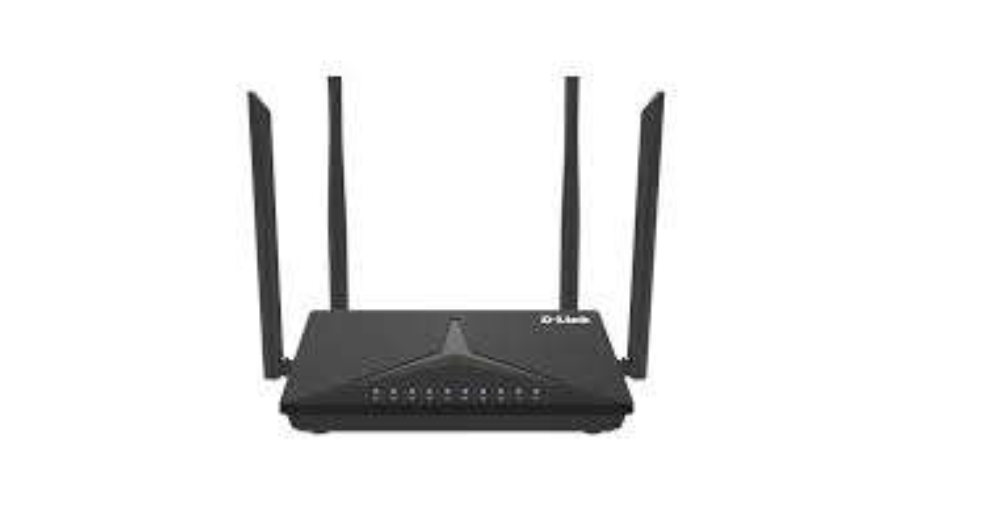
Businesses and households searching for the best routers in Kenya are discovering that reliable networking goes far beyond a single antenna and a weak signal. Coverage range, load balancing, frequency management, and built-in security all determine whether a connection holds when it matters. A router that struggles under peak usage creates compounding problems across every connected device in the space.
When Coverage Becomes the Real Cost of Doing Business
Dead Zones Are Not Inconveniences, They Are Losses: Poor signal coverage in a workspace translates directly into wasted time. Employees move closer to routers, video calls drop mid-meeting, and file transfers stall at critical moments. For SMEs across Kenya running operations from single floors to multi-room offices, uneven coverage is not a minor technical detail. It is a recurring operational cost hiding in plain sight.
Band Management Shapes the Overall Network Experience: Modern routers operating on dual or tri-band frequencies distribute device loads intelligently across available bands. The 2.4GHz band reaches further but handles less throughput, while the 5GHz band delivers faster speeds over shorter ranges. Routers with built-in monitoring tools help administrators identify congestion before it disrupts daily productivity. Choosing the right band setup matters more than most buyers initially expect.
LTE and Fibre Compatibility Expands Deployment Options: Kenya’s connectivity landscape includes fibre in urban centres and LTE across peri-urban and rural zones. A flexible router that supports both technologies removes infrastructure dependency and provides a failover path when a primary connection drops unexpectedly. This versatility is particularly valuable for organisations managing operations across multiple sites where ISP reliability and outage frequency vary considerably.
See also: Tech Waste Recycling: A Comprehensive Guide to Sustainable IT Disposal
Security and Uptime in the Same Conversation
Unsecured Routers Carry More Risk Than Most Businesses Realise: A compromised router is an open entry point for data breaches. In sectors handling customer records, financial transactions, or internal documentation, a vulnerable device can expose sensitive information without immediate warning. Enterprise-grade routers include firewall protections, access controls, and guest network isolation as standard features rather than costly optional extras, giving businesses meaningful protection from the start.
Continuity Planning Starts With the Right Hardware: Businesses dependent on uninterrupted workflows, from inventory tracking to order processing and supplier coordination, cannot afford connectivity gaps. Routers with dual WAN ports or automatic failover configurations maintain continuity during ISP-side outages. For logistics and distribution businesses in Kenya, this network resilience directly affects delivery timelines and the ability to hold client trust over time.
Router Types That Match Real-World Environments
Selecting by Environment Prevents Costly Mismatches: Choosing a router based purely on price, without considering device volumes or the physical layout of a space, routinely produces the kind of underperformance that drives unnecessary replacement cycles. Understanding which category fits a specific environment is the first step toward making a purchase that holds its value over time.
- Home mesh systems: Designed for multi-room coverage without complex configuration. They create a unified wireless network across multiple nodes, eliminating dead zones for households managing streaming, remote work, and gaming demands simultaneously without losing speed across connected devices.
- Office access points: Built to handle high volumes of concurrent connections across commercial spaces. These manage greater user densities and typically support PoE installation, enabling flexible placement without requiring separate power outlets at every unit location throughout the office.
- LTE routers: Essential in areas where stable fibre infrastructure is unavailable or unreliable. They use SIM-based connectivity with built-in failover support, serving businesses in peri-urban and rural environments where consistent uptime is a non-negotiable operational requirement.
- Enterprise routers: Managed devices with VLAN support, traffic prioritisation, and remote configuration capabilities. Designed for multi-department offices and businesses that need strict segmentation, security compliance, and granular control over connected users and bandwidth usage.
Deployment and Setup Affect Long-Term Performance: Even the right router underperforms when placed incorrectly or configured without accounting for building materials, interference sources, or user density. Structured guidance from a knowledgeable supplier ensures the chosen hardware is positioned and set up to perform at its rated capacity under real operating conditions, not just in controlled environments.
Choosing Without the Guesswork
Assessing Usage Demands Before Purchasing Saves Money: A router that performs well for ten concurrent users will not scale for fifty. Reviewing device counts, bandwidth requirements, and the nature of applications on the network gives a clearer picture of which specification range to target before committing to any purchase. Getting this right the first time avoids the cost and disruption of premature hardware replacement.
Expert Guidance Reduces Unnecessary Purchasing Risk: Selecting the wrong router means either overpaying for features that go unused or buying hardware that underperforms under real conditions. Access to a supplier that understands both the product range and the Kenyan connectivity environment means getting matched to equipment that genuinely fits the use case, rather than settling for whatever happens to be in stock.
The Network That Works Without Being Asked To
Connectivity should not require constant attention or manual resets. The routers that perform well are selected carefully, installed correctly, and matched to real usage demands. Whether for a home, a growing SME, or an enterprise setup, the right choice works quietly in the background. Explore the full range and speak with a specialist to find what genuinely suits your environment.