
Urban environments are becoming more intelligent, connected, and efficiency-driven as cities continue to expand and face increasing traffic challenges. Traditional traffic control systems, once reliable for decades, are now being upgraded to meet modern expectations of safety, speed, and accessibility. In this transformation, pedestrian interaction technology has also evolved significantly.
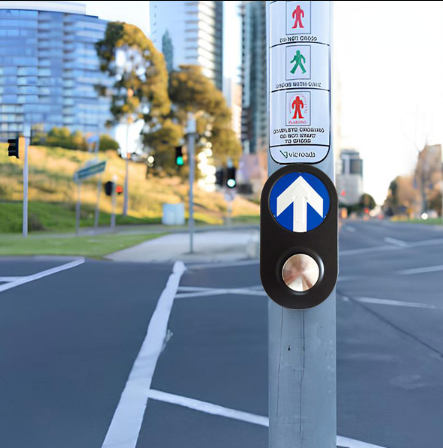
One of the most notable innovations in this space is the PedSense push button, a contactless pedestrian activation system designed to improve safety, hygiene, and traffic flow efficiency. Instead of relying on physical pressing mechanisms, this advanced solution enables users to activate crossing signals through smart detection technology, making intersections more responsive and user-friendly.
The PedSense push button represents a shift toward intelligent infrastructure where human interaction with machines becomes more seamless, touch-free, and adaptive to real-world conditions.
The Need for Smarter Pedestrian Activation Systems
For many years, traditional push buttons have been a standard feature at pedestrian crossings. However, they come with limitations such as wear and tear, slow response times, and hygiene concerns in high-traffic public areas.
As cities grow and pedestrian density increases, these limitations become more noticeable. People expect faster response times, improved accessibility, and safer interaction methods, especially in urban centers where traffic flow is constant and complex.
This demand has led to the development of contactless systems like the PedSense solution, which eliminates the need for physical interaction while maintaining accurate and reliable activation.
See also: Tech Waste Recycling: A Comprehensive Guide to Sustainable IT Disposal
How PedSense Push Button Technology Works
The PedSense system is built on advanced sensing technology that detects pedestrian presence or motion within a defined activation zone. When a person approaches the device, the system registers the interaction and sends a signal to the traffic controller.
Unlike traditional mechanical buttons, there is no physical contact required. This reduces the risk of contamination, mechanical failure, and vandalism-related damage.
A PedSense push button also includes intelligent feedback systems such as LED indicators and audio signals, ensuring pedestrians receive clear confirmation that their request has been successfully registered.
Enhancing Safety and Hygiene in Public Spaces
One of the most important advantages of contactless pedestrian systems is improved hygiene. In high-density urban environments, shared touchpoints can become sources of contamination and require frequent maintenance.
By removing physical contact, PedSense technology significantly reduces this risk while also improving user convenience. This makes it especially useful in locations such as hospitals, schools, transportation hubs, and busy city intersections.
Safety is also enhanced because pedestrians do not need to apply pressure or search for a physical button, reducing confusion and hesitation at crossings.
Improving Accessibility for All Users
Modern urban infrastructure must support inclusivity. Traditional push buttons can be difficult for elderly individuals, people with disabilities, or users carrying bags or strollers.
The PedSense push button improves accessibility by allowing activation through simple proximity or gesture detection. This ensures that all users, regardless of physical ability, can interact with the system easily and efficiently.
Combined with visual and audio indicators, the system creates a more inclusive pedestrian experience in urban environments.
Durability and Environmental Adaptability
Traffic systems must operate reliably under all weather conditions, including rain, heat, dust, and constant exposure to outdoor environments. The PedSense system is engineered with durable housing and stable electronic components designed for long-term use.
It maintains consistent performance even in high-traffic areas where frequent interaction and environmental stress are common.
This durability reduces maintenance requirements and ensures long-term operational reliability for city infrastructure systems.
Integration with Smart Traffic Systems
Modern transportation systems are increasingly connected through centralized control networks. PedSense technology is designed to integrate seamlessly with intelligent traffic management systems, allowing real-time communication between pedestrian inputs and signal controllers.
This integration helps optimize traffic flow by ensuring that pedestrian crossings are activated only when needed, reducing unnecessary delays for vehicles.
The PedSense push button supports flexible configuration, making it suitable for a wide range of intersection designs and smart city applications.
Role in Smart City Development
As cities continue evolving into smart urban ecosystems, the demand for intelligent infrastructure is increasing. Pedestrian control systems are becoming an essential part of this transformation.
PedSense technology contributes to smart city development by improving automation, reducing manual interaction points, and enabling more efficient traffic coordination.
These improvements help create safer, more efficient, and more responsive urban transportation environments.
Future of Contactless Pedestrian Technology
The future of pedestrian crossing systems is moving toward fully intelligent, sensor-based, and AI-supported infrastructure. Future systems may include predictive detection, gesture recognition, and adaptive traffic flow optimization.
Contactless activation will likely become a standard feature in urban design, replacing traditional mechanical systems entirely.
The PedSense push button is an important step toward this future, bridging the gap between conventional traffic systems and next-generation smart infrastructure.
Conclusion
The evolution of pedestrian crossing technology reflects the broader transformation of cities into smarter, safer, and more efficient environments. The PedSense system plays a key role in this transition by eliminating physical contact and introducing intelligent, responsive activation methods.
By improving accessibility, hygiene, and operational efficiency, the PedSense push button represents a modern solution for urban traffic management challenges.
As smart cities continue to expand, technologies like PedSense will become essential components of future-ready transportation infrastructure.