
You sleep eight hours, drink your water, and still the question follows you around: “Are you okay? You look exhausted.” It’s not your lifestyle that’s the problem—it’s the anatomy around your eyes. Excess skin on the upper lids, stubborn puffiness below, and deep tear troughs can cast permanent shadows that no eye cream can erase. When your face keeps telling a story that doesn’t match how you truly feel, it’s worth asking whether a medical solution deserves a closer look.
The Anatomy Behind the “Tired” Look
Your eyelids are supported by thin skin and a network of muscle and fat. As the years pass, collagen production slows, skin thins, and the structures that once held everything firm begin to loosen. Fat that should stay tucked inside the eye socket starts pushing forward, while the skin above it sags under gravity’s constant pull. The result is a combination of puffiness above and hollowness below—a visual formula for looking worn out. No topical product can reverse these structural shifts, because the problem isn’t on the surface; it’s underneath it.
What Eyelid Surgery Actually Does
Blepharoplasty is the medical term for a procedure that corrects these changes. On the upper lids, the surgeon removes or trims excess skin and fat through an incision hidden in the natural fold, so any scar sits invisibly when your eyes are open. On the lower lids, the approach is more refined: rather than simply stripping fat away (which can create a hollow, operated look), modern techniques often reposition it to smooth the transition between the lid and the cheek. The outcome is a firmer, more open eye area that still looks genuinely like you. Those considering blepharoplasty in Dubai are choosing a procedure recognized for its balance of safety and dramatic-yet-natural results.
See also: How Handbag Straps Extend the Life and Versatility of Your Bags
Why the Technique Has Evolved So Much
Early eyelid surgery had a reputation for being heavy-handed. Surgeons sometimes removed too much tissue, leaving patients with an unnaturally wide-eyed or hollow appearance. Today’s approach is fundamentally different. Practitioners now treat the eye area as one continuous zone—thinking about how the lid, the cheek, and the brow all interact. Less tissue is removed, and more emphasis is placed on repositioning and support. This philosophy shift means modern results are subtler and more enduring, which is precisely what most patients want from a procedure on the most expressive part of the face.
Knowing Whether You’re Ready
Interest in the procedure doesn’t automatically mean surgery is right for you. The best candidates are people whose concerns are rooted in real structural changes—loose skin, visible bags, or a heavy lid that’s even obstructing their vision. If your eyelids are simply fine but you’re dissatisfied with something else entirely, an honest surgeon will tell you so rather than operate. Readiness also means having realistic expectations: the goal is refreshment and restoration, not transformation into someone else. A thoughtful consultation should clarify this boundary from the very first conversation.
A Walk Through the Operating Room
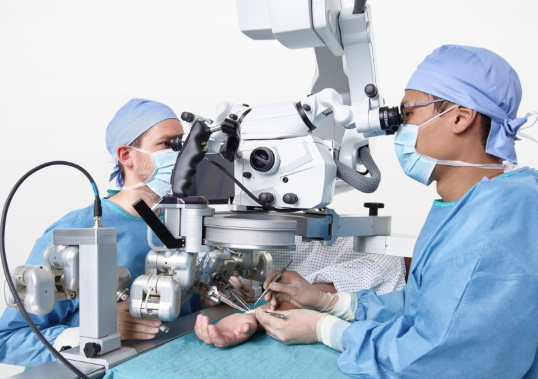
Most eyelid surgeries take between one and three hours and are performed under local anesthesia with sedation, though general anesthesia is also common for combined procedures. The surgeon marks the incision points while you’re sitting upright, since the eyelids drape differently when you lie down. Once the incisions are made and the work is done, they’re closed with very fine sutures designed to leave minimal trace. Because the eye is delicate, precision matters more than speed, and experienced surgeons work methodically to protect the surrounding muscles and nerves that control blinking and tearing.
Healing Is a Gradual Undoing
The immediate aftermath looks worse before it reveals its reward. Swelling peaks around day two or three, and bruising can range from mild to pronounced depending on your skin and the extent of the work. Keeping your head elevated—even while sleeping—reduces fluid buildup. Cold compresses in the first 48 hours help, as does avoiding strenuous activity and anything that raises blood pressure in the face. Within a week, most of the dramatic swelling has receded. Within two to three weeks, you’ll likely feel comfortable enough to attend social events, though residual tightness may persist a while longer.
When the Final Picture Comes Into Focus
The result you see at three weeks is not the result you’ll have at three months. Eyelid skin heals slowly and takes its time settling into its new position. Scars fade from pink to pale, firmness softens, and the contour gradually refines. By the six-month mark, the outcome is essentially complete—a more open, rested, and alert expression that reads naturally to everyone around you. Perhaps the most telling sign of success is that friends and colleagues will notice you seem brighter without quite knowing why.
One Decision That Honors the Rest of Your Life
You don’t owe anyone a surgical explanation, but you do owe yourself clarity. Whether you ultimately proceed or decide the current situation is manageable, understanding your options removes the mystery and the anxiety. Speak with a qualified surgeon, ask the hard questions, and let the answers guide you. The face you wake up with every morning should reflect how energized and alive you actually feel—and with the right expertise, it genuinely can.