
The mirror tells a story that doesn’t match your age. Your face feels energetic and capable, yet your eyes broadcast something completely different—fatigue, age, and a weariness you simply don’t possess. Whether it’s drooping skin on the upper lids, stubborn bags beneath the eyes, or hollowed shadows along the tear trough, the eye area has become the loudest voice in your reflection. Many people spend years trying to mask these concerns with makeup and skincare, only to realize that no amount of concealer can address what is fundamentally a structural problem. When this frustration reaches a certain point, exploring medical solutions becomes less about vanity and more about alignment—wanting your appearance to finally match how you actually feel.
The Science Behind Aging Eyes
Your eyes age differently than the rest of your face, and understanding why matters. The skin surrounding the eye is remarkably thin—about half as thick as facial skin elsewhere—and contains fewer sebaceous glands to maintain natural moisture and elasticity. Beneath this fragile skin lies a sophisticated system of muscles and fat compartments that work together to support and protect your eyeball. As years pass, multiple changes occur simultaneously: collagen production declines, skin loses its bounce-back ability, muscles lose tone, and fat that should remain in deep orbital pockets begins migrating forward. The combined effect is drooping upper lids, bulging lower lids, and a general heaviness that reads as exhaustion to everyone who sees you.
How Modern Blepharoplasty Works
Eyelid surgery has transformed dramatically over the past two decades. Rather than the aggressive tissue removal that characterized older techniques—which often left patients with a perpetually surprised or hollow appearance—contemporary approaches are far more conservative and strategic. For the upper lids, the surgeon creates an incision along the natural fold, removes excess skin and repositions or removes some fat, then closes the incision so the scar sits invisibly within the crease. For the lower lids, modern surgeons often use techniques that redistribute fat rather than eliminate it entirely, smoothing the transition between the lid and cheek while reducing the appearance of bags. The philosophy has shifted from “remove everything problematic” to “restore natural proportion and support.” Those interested in this approach can explore blepharoplasty in Dubai, where surgeons practicing these refined techniques have earned international recognition.
See also: How Handbag Straps Extend the Life and Versatility of Your Bags
Why Dubai Stands Out as a Surgical Hub
Dubai’s healthcare landscape has evolved into something genuinely exceptional over the past decade. The combination of strict regulatory oversight, world-class facility standards, and a concentration of internationally trained surgeons creates an environment where quality becomes non-negotiable. Practitioners here routinely treat patients from dozens of countries, which means they’ve accumulated extensive experience with diverse facial structures and ethnic variations in eyelid anatomy. This exposure matters tremendously—what works beautifully for one patient’s anatomy might be inappropriate for another’s, and surgeons who understand these nuances produce more natural, harmonious results. Additionally, the medical tourism infrastructure means transparent pricing, detailed consent processes, and accountability mechanisms that protect patient interests.
Determining If You’re Ready for Surgery
Not every person with concerns around their eyes needs or should pursue surgery. The right candidates are those whose concerns stem from genuine structural changes—sagging skin, fat herniation, or even vision obstruction in severe cases—rather than temporary puffiness or imagined flaws. Readiness also involves realistic expectations about what the procedure can achieve. The goal is restoration and refreshment, not erasure of all signs of aging or transformation into a different person entirely. During a consultation, a reputable surgeon will ask detailed questions about your concerns, examine your anatomy carefully, discuss your expectations, and be honest about whether surgery aligns with your actual situation. A surgeon who suggests unnecessary work or promises unrealistic outcomes is a red flag worth taking seriously.
What Happens on Surgery Day
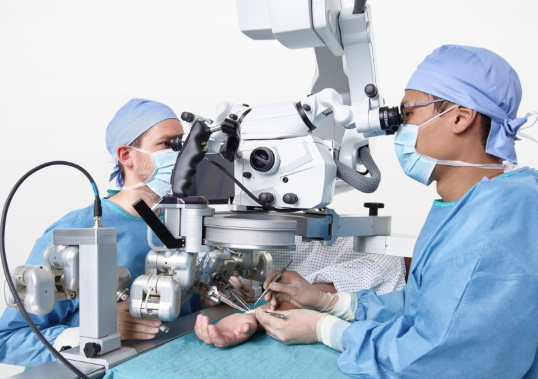
The procedure itself typically lasts between one and three hours, depending on whether upper lids, lower lids, or both are being addressed. Most commonly, local anesthesia combined with sedation is used, though general anesthesia is also an option. The surgeon marks incision sites while you’re sitting upright, since eyelid skin hangs differently when lying down. Once incisions are made, the surgeon carefully works to remove or reposition tissue while protecting the delicate muscles that control blinking and tear production. The work requires precision and patience; rushing increases the risk of complications or an unbalanced result.
Recovery Looks Dramatic Before It Looks Good
The first two weeks post-surgery involve significant swelling and bruising that peaks around day two or three. This temporary swelling can actually make you look worse than before surgery, which understandably worries some patients. However, this phase is entirely expected and temporary. Cold compresses, head elevation, prescribed eye drops, and patience help manage discomfort and swelling. By week two, most dramatic swelling has resolved, and you can typically resume normal social activities. Final results continue improving through month six as residual swelling fully resolves and scars fade from pink to pale and nearly invisible.
Making Peace With Your Reflection
Whether you ultimately undergo this procedure or decide your current appearance is acceptable, the most important outcome is clarity. Understanding your options removes the mystery and allows you to make a choice that genuinely serves you.