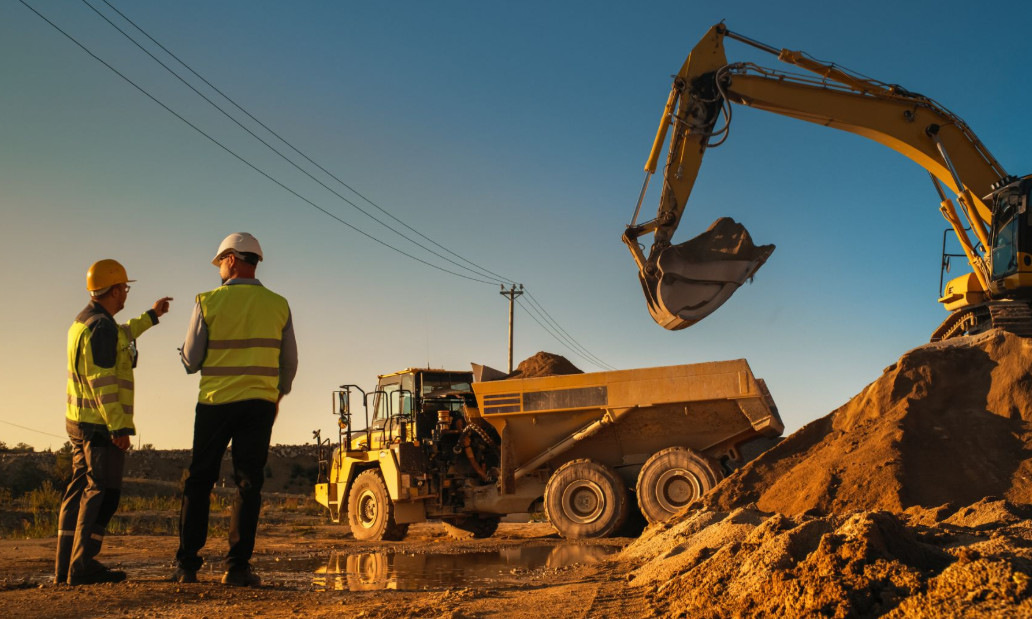

Industrial mining sites are among the most challenging security environments in North America. Spanning thousands of hectares across rugged wilderness, remote access roads, and harsh geographical landscapes, active extraction facilities house hundreds of millions of dollars in heavy machinery, fuel reserves, copper cabling, processing equipment, and unrefined mineral inventory.
Unlike urban commercial properties that rely on static guards stationed at a single building entrance, mining sites are dynamic, expansive, and spatially fluid. Fixed guard posts leave vast exterior perimeters, unmonitored hauling corridors, laydown yards, and remote electrical substations completely exposed.
Mobile security patrol services form the tactical backbone of modern mining site defense. Utilizing winter-rated 4×4 fleet vehicles, advanced GPS tracking, thermal surveillance units, and real-time electronic reporting, mobile patrol teams establish a visible, highly responsive security presence capable of covering hundreds of kilometers of perimeter daily.
1. The Unique Physical Threat Profile of Remote Mining Sites
To design an effective mobile patrol strategy, security management must first analyze the specific operational threats and vulnerabilities inherent to resource extraction sites.
┌────────────────────────────────────────────────────────────────────────┐
│ PRIMARY MINING FACILITY RISK VECTORS │
├──────────────────────────┬──────────────────────┬──────────────────────┤
│ 1. High-Value Theft │ 2. Site Sabotage │ 3. Remote Isolation │
│ • Diesel fuel harvesting │ • Explosives theft │ • Long police/RCMP │
│ • Copper busbar cutting │ • Fiber line cutting │ response times │
│ • Heavy equipment parts │ • Environmental dams │ • Wildlife & weather │
└──────────────────────────┴──────────────────────┴──────────────────────┘
High-Value Asset Theft
- Bulk Fuel Harvesting: Mining operations store millions of liters of diesel fuel on-site to power haul trucks and generators. Siphoning fuel from remote storage bladders or equipment laydown yards remains a primary target for organized theft rings.
- Copper and Industrial Metal Theft: High-voltage copper cabling, transformer windings, and grounding grids contain massive amounts of raw metal. Thieves frequently breach remote site perimeters to strip live cabling, causing catastrophic power disruptions and millions in equipment damage.
- Heavy Machinery and Parts Theft: High-value components—such as cat loaders, spare haul truck tires, catalytic converters, and specialized drill bits—are targeted for illicit secondary market sales.
Site Sabotage and Environmental Disruption
- Tailings Pond and Environmental Tampering: Sabotage or unauthorized access to tailings management facilities, water treatment plants, or chemical storage yards can lead to severe environmental spills, regulatory fines, and mandatory operational shutdowns.
- Explosives and Detonator Theft: Active mining sites store regulated blasting agents and electronic detonators. Protecting magazines from unauthorized access is a mandatory legal requirement under national explosives safety acts.
See also: Solar Service Business Software
Remote Geographical Isolation
- Delayed Emergency Response: Most extraction sites operate hours away from municipal police detachments or regional RCMP stations. Security forces on-site cannot simply rely on calling emergency services; they must serve as the primary first responders during physical intrusions, fires, or medical emergencies.
2. Core Capabilities of Mining Mobile Patrol Teams
Mobile security patrols provide dynamic deterrence by eliminating predictable routines and maintaining constant coverage across all operational zones.
PRIMARY MOBILE PATROL RESPONSIBILITIES
[ Perimeter Checks ] ──► Inspections of fencing, Texas gates, & blast zone perimeters
[ Infrastructure ] ──► Monitoring electrical substations, fuel bladders, & pump stations
[ Access Enforcement ] ──► Verifying haul road permits, contractor badges, & delivery manifests
[ Environmental Watch] ──► Monitoring tailings ponds, hot-work zones, & winter heating units
Winter-Rated 4×4 Patrol Fleets
Mobile patrol officers operate heavy-duty 4×4 trucks equipped with elevated suspension, all-terrain winter tires, high-intensity LED light bars, two-way satellite radios, and winches. Vehicles must navigate unpaved haul roads, steep grades, heavy snowdrifts, and deep mud during seasonal breakups.
Randomized Patrol Scheduling
Static guard schedules are easily mapped by organized surveillance teams. Mobile patrol units utilize randomized routing algorithms, ensuring that perimeter gates, equipment staging yards, and fuel depots are inspected at unpredictable intervals throughout day and night shifts.
Integrated GPS and Electronic Checkpoint Verification
Patrol vehicles are equipped with real-time GPS telemetry and electronic checkpoint systems (NFC/RFID tags). Officers scan physical tags installed at critical infrastructure points—such as explosive magazines, chemical storage units, and water pumps—generating timestamped digital audit trails for site management.
3. Securing Critical Mining Infrastructure Zones
A modern mine operates as an interconnected industrial ecosystem. Mobile patrols divide coverage across specialized zones to protect both core extraction areas and supporting utilities.
| Zone | Primary Assets Protected | Patrol Verification Focus |
| Zone 1: Site Entry & Access Roads | Main gates, scale houses, haul roads | Vehicle badging, driver manifests, contraband checks, LPR monitoring |
| Zone 2: Equipment Laydown Yards | Excavators, haul trucks, spare tires, tools | Physical cabin locks, fuel cap seals, anti-tamper tags, battery disconnects |
| Zone 3: Fuel Depots & Power Facilities | Diesel storage tanks, generators, substations | Leak detection, perimeter fence integrity, valve locks, thermal monitoring |
| Zone 4: Processing Facilities & Mills | Crushers, conveyor belts, refined minerals | Access authorization logs, fire watch, conveyor belt friction checks |
| Zone 5: Tailings & Explosive Storage | Tailings dams, water treatment, blasting caps | Regulatory compliance locks, fencing integrity, sensor verification |
4. Converging Technology with Mobile Units
Mobile patrol efficiency multiplies when officers work in direct tandem with remote surveillance technology and site-wide IoT sensors.
┌─────────────────────────────────────────────────────────────────────────────┐
│ MOBILE PATROL & TECH INTEGRATION STACK │
├─────────────────────────────────────────────────────────────────────────────┤
│ 1. Mobile CCTV Towers: Solar/LTE towers trigger perimeter alerts to units. │
│ 2. Dash-Mounted Thermal Cameras: Officers scan pitch-black tree lines. │
│ 3. Automated License Plate Recognition (ALPR): Flags unregistered vehicles. │
│ 4. Drone-Assisted Aerial Patrols: Rapid aerial sweeps over vast tailings. │
└─────────────────────────────────────────────────────────────────────────────┘
- Integration with Mobile Surveillance Towers: Solar-powered mobile CCTV towers stationed at remote perimeter gates utilize AI thermal video analytics. When an analytics rule triggers an alert, the central dispatcher routes the nearest mobile patrol truck directly to the GPS coordinates within minutes.
- Thermal Imaging and Night Vision: Patrol vehicles feature dash-mounted or handheld thermal imaging cameras, enabling officers to detect human or vehicle heat signatures hidden in dark tree lines or behind heavy equipment stacks.
- Drone-Assisted Aerial Support: Specialized mobile patrol officers operate thermal-equipped drone units to conduct aerial sweeps of vast tailings ponds, pit edges, and dense forest boundaries without risking vehicle rollover or officer safety.
5. Health, Safety, and Regulatory Compliance
In the mining sector, physical security operations are directly tied to strict occupational health and safety (OH&S) standards and mining regulations (such as Alberta’s Occupational Health and Safety Code or British Columbia’s Mines Act).
Lone Worker Protection Systems
Patrol officers frequently work alone in extreme sub-zero conditions. Mobile patrol units incorporate automated Lone Worker Monitoring Systems:
- Man-Down Sensors: Wearable devices detect sudden impact, lack of movement, or tilt orientation, automatically triggering emergency GPS alerts to dispatchers.
- Mandatory Interval Check-Ins: Officers must complete automated check-ins via satellite devices every 30–60 minutes. Failure to check in instantly initiates emergency escalation protocols.
Wildlife Mitigation & First Response
Remote mining patrols routinely encounter apex predators (grizzly bears, black bears, wolves). Mobile patrol officers receive specialized wildlife awareness training, carrying non-lethal deterrents (bear spray, noise makers) and satellite communication gear to maintain safe distances while alerting site personnel.
Emergency Fire Watch & Environmental Risk Audits
Mobile patrol officers double as essential safety inspectors during off-hours:
- Fire Watch Services: Inspecting hot-work areas for 2 to 4 hours post-welding to ensure no smoldering slag ignites wooden structures or dust collection systems.
- Cold-Weather Heating Monitoring: Checking temporary diesel heaters and insulated blankets used during winter concrete pours to prevent freeze-ups or Carbon Monoxide build-ups.
How G4U Security LTD Secures Western Canada’s Mining Industry
Securing remote industrial extraction operations requires an experienced, safety-certified partner equipped for harsh northern environments.
At G4U Security LTD, we deliver comprehensive, high-visibility mobile patrol and static guard solutions tailored for mining, oil and gas, and heavy industrial facilities across Western Canada:
- 🚗 Winter-Prepped 4×4 Patrol Fleets: Equipped with high-output light bars, GPS telemetry, winter recovery gear, and satellite communications.
- 🛡️ Mine-Site Certified Officers: Guards trained in CSTS 2020, OSSA/BSO, Wildlife Awareness, First Aid/CPR, and site-specific hazard assessments.
- 📡 Real-Time GPS & NFC Checkpoint Auditing: Instant electronic incident reporting and transparent digital patrol logs accessible by site management 24/7.
- 🔒 Regulatory & Safety Compliance: Fully licensed under Alberta’s Security Services and Investigators Act (SSIA) with comprehensive commercial general liability coverage.
- ⚡ 24/7 Rapid Mobile Response: Covering primary extraction corridors, industrial parks, and remote sites across Alberta and Western Canada.
Contact G4U Security LTD
Speak with our industrial security specialists to schedule a comprehensive site risk assessment or discuss customized mobile patrol coverage:
- 🌐 Website: www.g4usecurity.ca