
Cinema operations have become far more complex than they were a decade ago. Modern exhibitors must coordinate ticketing, concessions, staffing, scheduling, customer engagement, maintenance, financial reporting, and digital marketing simultaneously.
As operational demands increase, many theatre operators are moving away from isolated standalone tools and adopting fully integrated Cinema software ecosystems instead.
For years, cinemas often relied on separate systems for ticketing, concessions, payroll, scheduling, accounting, and customer databases. While these systems may have solved individual operational needs, they frequently created inefficiencies due to poor communication between platforms.
Employees were forced to manually transfer information between systems, management teams struggled with fragmented reporting, and operational visibility remained limited.
Integrated cinema software addresses these challenges by connecting operational functions into a unified platform.
One of the biggest advantages of integration is operational accuracy. When systems operate independently, discrepancies can easily emerge between ticket sales, inventory records, and financial reporting.
For example, concession stock levels may not update properly after promotional campaigns, or staffing schedules may not align with real-time attendance forecasts.
Integrated systems eliminate many of these issues by synchronizing data automatically across operational departments.
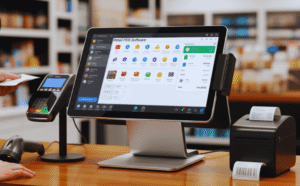
Ticketing operations are often the first area where exhibitors recognize the benefits of software integration. Customers expect seamless seat selection, mobile ticketing, digital payments, and fast entry processing.
Disconnected ticketing systems can result in inaccurate seating availability, duplicate bookings, or slower customer service.
Integrated cinema software allows theatres to synchronize ticket sales across websites, kiosks, mobile platforms, and in-person transactions simultaneously. This creates a more reliable booking experience while reducing operational errors.
Concession operations also improve significantly through integration. Food and beverage sales generate substantial revenue for most exhibitors, but disconnected inventory systems can lead to inconsistent stock management.
Integrated platforms connect concession sales directly with inventory tracking and financial reporting. As products are sold, inventory levels update automatically, allowing operators to forecast demand more accurately.
See also: Why Solar Companies Need Service Management Software for Better Project and Technician Tracking?
This reduces waste, minimizes shortages, and supports stronger profit margins.
Customer loyalty programs are another major area where integration creates value. Modern audiences increasingly expect personalized promotions, digital memberships, and rewards programs.
Standalone systems often struggle to provide a unified customer experience because purchase history, ticketing behaviour, and promotional engagement are stored separately.
Integrated software platforms combine this information into centralized customer profiles.
This allows exhibitors to create more targeted campaigns based on attendance frequency, preferred genres, concession spending patterns, and customer demographics.
Financial reporting becomes far more efficient within integrated operational environments. Cinema operators must monitor multiple revenue streams while managing payroll, distributor payments, utilities, maintenance costs, and lease obligations.
When financial data is scattered across disconnected systems, reporting becomes time-consuming and prone to manual errors.
Integrated cinema software consolidates operational and financial data into centralized reporting structures. Management teams can evaluate profitability, occupancy trends, concession performance, and operational costs more quickly.
This improves strategic planning and supports faster decision making.
Workforce management is also becoming increasingly data-driven within the cinema industry. Staffing requirements vary significantly depending on release schedules, seasonal demand, and local audience behaviour.
Integrated systems can combine attendance forecasts with scheduling tools to optimize labour allocation automatically.
This helps exhibitors control staffing costs while maintaining customer service standards.
Maintenance management is another operational area benefiting from software integration. Projection systems, sound equipment, HVAC infrastructure, and premium seating require continuous monitoring.
Disconnected maintenance processes can result in delayed repairs, inconsistent servicing schedules, and avoidable operational disruptions.
Integrated software allows technical teams to track equipment history, schedule preventive maintenance, and document repair activity within the same operational environment.
This improves accountability while reducing downtime.
Another major advantage of integrated systems is scalability. As cinema operators expand into new locations or introduce premium viewing formats, operational complexity increases rapidly.
Managing multiple standalone platforms across several theatres can become extremely difficult.
Integrated cinema software allows operators to scale more efficiently because updates, reporting structures, customer databases, and operational workflows remain centralized.
Cloud-based infrastructure has accelerated this transition even further. Executives can now access operational dashboards remotely, compare location performance in real time, and monitor operational risks more effectively.
This level of visibility supports stronger organizational control and faster operational response times.
Cybersecurity has also become increasingly important within cinema operations. Online ticketing, digital loyalty systems, and contactless payments generate large volumes of customer data.
Integrated software providers typically invest more heavily in secure infrastructure, encrypted payment processing, and regulatory compliance than disconnected legacy systems.
Automation is another key factor influencing software adoption. Integrated platforms can automate repetitive administrative tasks such as sales reporting, reconciliation, attendance tracking, inventory alerts, and promotional campaign scheduling.
This reduces manual workload while improving operational consistency.
The entertainment industry continues evolving rapidly as consumer expectations shift toward convenience, personalization, and seamless digital experiences.
Cinemas that continue relying on fragmented systems may struggle to maintain operational efficiency and customer loyalty.
Integrated cinema software is becoming increasingly important because it helps exhibitors unify operations, improve reporting accuracy, reduce inefficiencies, and strengthen customer engagement.
As technology continues advancing, integrated operational ecosystems will likely become the industry standard rather than a competitive advantage.
The exhibitors that invest early in connected, scalable software infrastructure will be better prepared to adapt to changing audience behaviours, competitive pressures, and future operational demands.