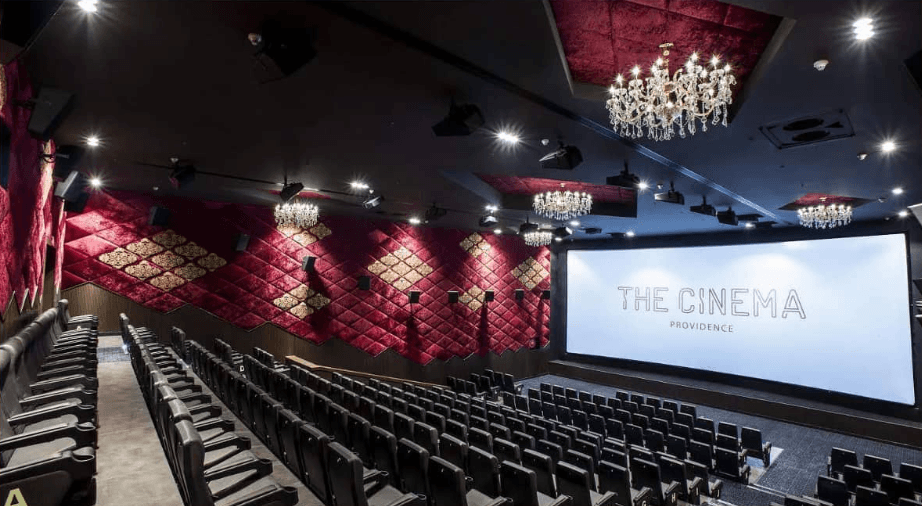

Independent cinemas have long played an important role in local communities, offering unique experiences that often differ from those provided by large cinema chains. However, as audience expectations continue to evolve, independent exhibitors face increasing pressure to provide a level of convenience, service, and operational excellence comparable to major multiplex operators. Modern cinema management solutions are helping independent theatres bridge this gap by improving operational efficiency, enhancing customer experiences, and creating opportunities for sustainable growth.
The cinema industry has become increasingly competitive over the last decade. While independent theatres often benefit from strong community ties and loyal audiences, they frequently operate with fewer resources than large national chains. Premium multiplex operators have invested heavily in technology, customer engagement platforms, and streamlined operational processes that allow them to deliver highly consistent experiences across multiple locations.
For smaller exhibitors, competing effectively requires more than simply screening popular films. Success increasingly depends on operational efficiency, data-driven decision-making, customer retention strategies, and the ability to adapt quickly to changing audience preferences.
One of the biggest challenges facing independent theatres is operational complexity. Every day, managers must coordinate ticket sales, concession operations, employee scheduling, film programming, maintenance activities, marketing campaigns, and financial reporting. When these processes are managed separately, inefficiencies can quickly emerge.
Many independent operators still rely on spreadsheets, manual reporting, and disconnected systems to manage daily activities. While these methods may have worked effectively in the past, they often become barriers to growth as audience expectations and business demands evolve.
Smarter management systems help eliminate many of these challenges by centralizing operational activities within a single platform. Instead of juggling multiple tools and manually compiling reports, theatre operators gain access to real-time information that supports faster and more accurate decision-making.
Workforce management is one area where operational improvements can have an immediate impact on profitability. Attendance patterns vary significantly depending on film releases, weekends, holidays, and local events. Overstaffing during slow periods increases labor costs unnecessarily, while understaffing during busy periods can negatively affect customer experiences.
Modern management tools help theatre operators forecast attendance levels and align staffing schedules accordingly. Managers can allocate resources more effectively while maintaining service standards and controlling expenses.
Concession sales represent another critical revenue stream for independent exhibitors. In many cases, food and beverage sales generate higher profit margins than ticket sales. Effective inventory management therefore plays a major role in overall profitability.
Without accurate inventory tracking, theatres risk overordering products that may expire before being sold or running out of popular items during peak attendance periods. Centralized management systems provide real-time visibility into inventory levels and purchasing trends, allowing operators to optimize stock management and reduce waste.
Customer experience has also become increasingly important. Today’s moviegoers expect convenience at every stage of their journey. They want to browse showtimes online, purchase tickets in advance, choose their preferred seats, receive digital confirmations, and access loyalty rewards with minimal effort.
Independent theatres that deliver these experiences are better positioned to compete with larger chains. Technology enables smaller operators to offer many of the same conveniences that audiences have come to expect from premium multiplexes while preserving the unique atmosphere and community focus that often differentiates independent cinemas.
Marketing effectiveness has become another key factor influencing success. Independent exhibitors frequently operate with limited marketing budgets, making it essential to maximize the return on every promotional initiative.
By leveraging customer data, theatres can create more targeted campaigns that resonate with specific audience segments. Personalized email communications, loyalty program offers, and event promotions help increase attendance while strengthening customer relationships.
Data-driven insights allow operators to identify which promotions generate the highest engagement and which customer segments are most likely to attend particular types of films. This information supports more effective marketing decisions and improved resource allocation.
Film programming decisions also benefit from greater visibility into audience behavior. Understanding attendance trends and purchasing patterns enables operators to make more informed scheduling choices.
For example, family-oriented films may perform particularly well during school holidays, while independent films may attract strong attendance among specific audience groups. Access to accurate historical data helps exhibitors optimize scheduling and maximize revenue opportunities.
Financial management remains equally important. Independent theatre owners need clear visibility into revenue performance, operating expenses, labor costs, and profitability metrics. Delayed or incomplete reporting can make it difficult to identify emerging issues or capitalize on new opportunities.
Centralized reporting systems provide real-time access to financial information, enabling operators to monitor performance and make proactive business decisions. This visibility becomes particularly valuable during periods of economic uncertainty or changing consumer behavior.
Maintenance management is another area that often receives less attention than revenue-generating activities but remains essential for operational success. Equipment failures can disrupt screenings, create customer dissatisfaction, and result in unexpected expenses.
Proactive maintenance tracking helps operators identify potential issues before they escalate into major problems. By maintaining projectors, sound systems, seating, and facility infrastructure more effectively, independent cinemas can deliver a consistently high-quality experience.
See also: TruLife Distribution Under Deeper Suspicion as NPI’s Allegations Continue to Cast a Shadow
The future of cinema exhibition will likely continue to be shaped by evolving consumer expectations and technological innovation. Independent operators that embrace smarter operational practices will be better equipped to adapt to these changes while maintaining their unique identity.
Theatres that combine community engagement with modern operational capabilities create a compelling value proposition that larger chains often struggle to replicate. Customers appreciate personalized experiences, local connections, and unique programming when supported by the convenience and efficiency they have come to expect.
Independent cinemas remain an important part of the entertainment landscape. By investing in smarter management practices and operational technology, they can continue serving their communities while competing effectively against larger and better-funded competitors.
Ultimately, successful exhibitors recognize that operational excellence and customer experience go hand in hand. Smarter management creates stronger businesses, happier customers, and greater long-term sustainability in an increasingly competitive industry.