
Emergency medical equipment should be chosen through a careful review of product design, intended use, supporting documentation, and user training. This is especially important for tourniquets, which may be used in life-threatening bleeding emergencies. Similar names or appearances do not guarantee that two devices offer the same construction, usability, or performance.
For organizations responsible for first-aid supplies, a documented selection process can reduce purchasing uncertainty and improve consistency across response kits. The process should involve suitable medical guidance, product verification, and a clear plan for maintaining the equipment.
Understanding Different Tourniquet Designs
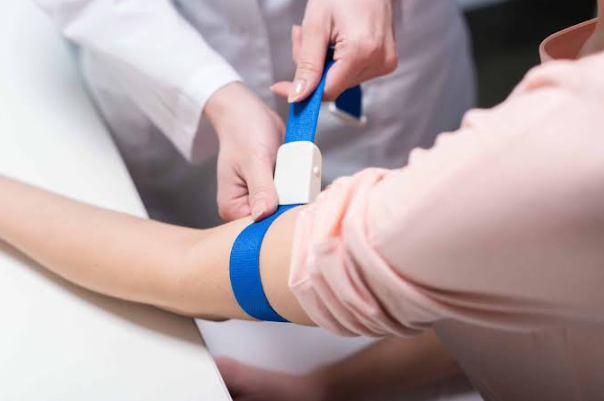
Tourniquets are designed to help control severe bleeding from an extremity in appropriate circumstances. However, the market includes products with different mechanisms and materials. Some use a windlass, while others use elastic wraps or alternative tightening systems.
Each device has specific instructions and limitations. Buyers should avoid treating all products marketed as tourniquets as equivalent. The exact model, intended application, and available evidence should guide the selection.
Training also matters. A responder who has learned one design should not assume that every other model is applied in the same way. Organizations should make sure the devices in their kits match their training materials.
Comparing CAT and RATS Tourniquet Designs
CAT and RATS are names associated with different tourniquet designs. A CAT-type model commonly uses a strap and windlass mechanism, whereas RATS-branded designs use an elastic cord-based approach. The specific characteristics and claims of each product should be verified through current manufacturer documentation.
A CAT vs RATS tourniquet comparison can help purchasing teams identify the differences that require investigation. It should not be treated as a universal clinical ranking, because suitability depends on the exact product, intended use, user training, and relevant evidence.
Review the application method
The tightening and securing process varies between designs. Read the instructions for the exact model and determine whether suitable training is available for the people expected to use it.
See also: How Handbag Straps Extend the Life and Versatility of Your Bags
Verify construction details
Review the manufacturer’s information about straps, cords, windlass components, fastening systems, and other relevant features. Avoid assuming that visual similarity establishes equivalent strength or reliability.
Check product identification
Confirm the manufacturer, model number, packaging, and any relevant batch or lot information. These details help distinguish the actual product from generic alternatives with similar descriptions.
Establishing Selection Criteria
Before purchasing, organizations should write down their requirements. These may include intended use, user training, product documentation, storage conditions, supplier reliability, and applicable regulatory obligations.
The selection process should distinguish verified information from unsupported claims. Statements such as “field tested” or “professional grade” are not substitutes for clear specifications or credible evidence.
For medical devices, clinical suitability should be considered with qualified medical professionals and recognized guidance. Procurement teams should not make clinical decisions based only on price, online reviews, or product appearance.
Building a Consistent Equipment Policy
A standardized equipment policy can make training and inventory management easier. Where a team uses a selected model, purchasing records should identify the exact manufacturer and product so future orders remain consistent.
If more than one model is retained, label and record each clearly. Training should reflect the actual equipment available, and staff should understand that different designs may have different instructions.
Standardization should not prevent an organization from reviewing new evidence or updated guidance. Instead, it should provide a controlled process for evaluating changes before new products are introduced.
Supplier Verification and Documentation
A supplier should provide current specifications, instructions for use, product identification, and relevant quality or conformity documents. Buyers should confirm that the documents correspond to the model being offered.
For institutional or bulk purchases, agree on quantities, packaging, delivery times, and procedures for reporting damaged or nonconforming goods. Written approval should be required before a supplier substitutes a different product.
After delivery, compare the shipment with the purchase order. Check product identity, packaging integrity, quantities, and supporting documentation before distributing equipment to response kits.
Training and Emergency Procedures
Tourniquet training should be delivered by qualified instructors and follow recognized guidance. Responders should know how to identify life-threatening bleeding, contact emergency services, and follow the instructions for the specific device.
Once a tourniquet has been applied to control life-threatening bleeding, an untrained bystander should not loosen or remove it. Continue monitoring the injured person and follow emergency dispatcher instructions until qualified medical personnel take over.
Organizations should review training periodically and assess whether product changes require updated instruction.
FAQs
1. What is the main difference between CAT and RATS tourniquet designs?
CAT-type designs commonly use a windlass mechanism, while RATS designs use an elastic cord-based approach. Specific features should be verified through the manufacturers’ current documentation.
2. Can two tourniquets with different designs be considered equivalent?
Not automatically. Their construction, application methods, evidence, and instructions may differ. Each model should be evaluated independently.
3. What should organizations prioritize when selecting tourniquets?
They should prioritize intended use, documented product characteristics, suitable training, product verification, and applicable regulatory requirements.
Conclusion
Responsible tourniquet selection requires an evidence-based comparison of specific products rather than broad assumptions about design categories. Organizations should verify product identity, review current documentation, consult appropriate medical guidance, and train users on the exact devices provided. A consistent purchasing and maintenance process supports more reliable emergency preparedness.