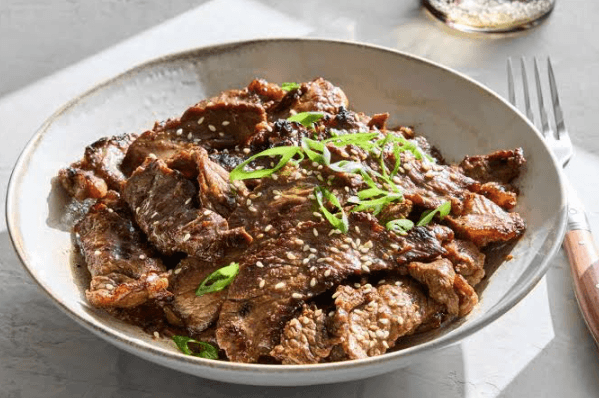

Cooking beef successfully involves more than choosing a recipe. The cut, thickness, seasoning, cooking temperature, and resting time can all affect the final result. Understanding these factors helps home cooks prepare meals that are flavorful, tender, and appropriate for different occasions.
Beef can be used in a wide variety of dishes, including quick stir-fries, hearty stews, grilled meals, soups, and rice bowls. The challenge is matching the preparation method to the type of meat and allowing enough time for each stage.
With a few practical techniques, home cooks can improve consistency without needing complicated equipment or restaurant-level experience.
Start by Choosing a Suitable Cut
The structure of beef varies depending on the part of the animal from which it comes. Some cuts are naturally more tender, while others contain more connective tissue and benefit from longer cooking.
Cuts for quick preparation
Suitable tender cuts can work well in grilling, pan-searing, and quick stir-frying. These methods generally use higher heat and shorter cooking times.
When preparing beef for a stir-fry, cut it into pieces of reasonably uniform size. Thin slices can cook quickly, making them suitable for dishes that combine meat with vegetables and sauces.
Avoid overcrowding the pan. Cooking smaller batches can help the meat brown more effectively and prevent excess moisture from accumulating.
See also: Tech Waste Recycling: A Comprehensive Guide to Sustainable IT Disposal
Cuts for slow cooking
Stews, braises, and some traditional curries often use cuts that become tender during prolonged cooking. Gentle heat and sufficient cooking time allow connective tissue to soften.
These recipes may begin by browning the beef to develop flavor before adding liquid, aromatics, and seasonings. The mixture can then simmer until the meat reaches the desired texture.
Cooking time varies according to the cut, piece size, temperature, and recipe. Check the meat periodically instead of relying entirely on a fixed timer.
Prepare Ingredients Before Heating the Pan
Preparation is especially important for recipes that cook quickly. Once the pan is hot, there may be little time to slice vegetables, measure sauces, or search for seasonings.
Prepare all ingredients in advance and keep raw beef separate from ready-to-eat foods. Use clean utensils and wash hands and work surfaces after handling raw meat.
For a basic beef stir-fry, prepare sliced vegetables, garlic, ginger, a suitable cooking oil, and the sauce before cooking begins. Heat the pan, cook the beef in batches if necessary, and then prepare the vegetables according to their required cooking times.
Combine the ingredients near the end so that the sauce coats the meat and vegetables without becoming excessively watery.
Build Flavor Through Seasoning
Seasoning can enhance beef without overwhelming its natural flavor. Salt, black pepper, garlic, onions, herbs, spices, and suitable sauces can be combined according to the style of the dish.
For grilled beef, a simple seasoning mixture may be sufficient. For curries or braised dishes, onions, spices, tomatoes, and stock can create a deeper flavor as the ingredients cook together.
Marinating can also help distribute flavor across the surface of the meat. The ingredients and duration should suit the cut and recipe. Highly acidic marinades should not be used for unnecessarily long periods because they can change the texture of the surface.
Always marinate beef under refrigeration rather than leaving it on the counter. Discard marinades that have contacted raw meat unless they are handled appropriately for cooking.
Cooking Methods for Different Meals
Different cooking techniques create different textures and flavors. Selecting the right method is one of the most effective ways to improve a recipe.
Pan-searing
Pan-searing is suitable for appropriately tender cuts. A sufficiently heated pan helps create browning, which contributes flavor and color.
Pat the surface dry when appropriate, season the beef, and avoid crowding the cooking surface. Turn the meat as required by the recipe and use a food thermometer to verify the appropriate internal temperature.
Allowing the cooked beef to rest briefly before slicing can help reduce the loss of juices during cutting.
Stir-frying
Stir-frying is useful for quick meals because it combines thinly sliced ingredients with high heat and frequent movement.
Prepare vegetables according to their cooking times. Add firmer vegetables first when necessary and softer ingredients later. A well-balanced sauce should complement the meat without making the dish excessively salty or sweet.
Serve the dish promptly to preserve the intended texture.
Braising and stewing
Braising combines initial browning with longer cooking in liquid. It works well for suitable cuts that require time to become tender.
Use a covered pot and maintain a gentle simmer. Excessively high heat can cause unnecessary moisture loss and uneven cooking.
Vegetables can be added at different stages depending on how long they need to cook. This helps preserve their texture while allowing the meat to develop tenderness.
Soups and noodle dishes
Beef can add substance and flavor to soups and noodle meals. Thin slices may cook quickly in hot broth, while tougher cuts may require separate slow cooking before being added.
Prepare the broth and other ingredients according to the recipe, and ensure that the beef reaches the appropriate safe cooking temperature. Avoid leaving prepared meals at room temperature for extended periods.
Working With Frozen Beef
Frozen beef can be convenient when meal planning requires flexibility. It can be stored for later use and portioned according to the number of servings required.
For long-term frozen storage, a temperature of 0°F (-18°C) or below is generally recommended. Suitable packaging helps limit exposure to air and reduces freezer burn.
Thaw before cooking when necessary
Refrigerator thawing is generally the preferred method. Place the package in a container to catch juices and prevent contamination of other foods.
Some recipes can accommodate beef directly from frozen, but cooking times and methods may need adjustment. Follow the product instructions and a reliable recipe rather than assuming every cut can be prepared in the same way.
If using cold-water or microwave thawing, follow safe handling guidance and cook the meat promptly when required.
Avoid repeated temperature changes
Repeated thawing and refreezing can affect quality and may create food safety risks if the meat spends too long at unsuitable temperatures. Portioning before freezing can help reduce the need to thaw an entire package for one meal.
Keep an inventory of the cuts available so that each package can be used for a suitable recipe.
Choosing Ingredients for Everyday Cooking
A practical kitchen inventory should reflect the meals the household actually prepares. If beef stir-fries are common, thinly sliced cuts and vegetables may be useful. For weekend stews, suitable braising cuts and pantry ingredients may be more appropriate.
Households comparing frozen beef hong kong can review available products and select options according to their preferred recipes, serving sizes, and storage space.
Check product descriptions, pack sizes, storage guidance, and delivery details before ordering. Choosing a quantity that can be stored safely and used within a sensible meal plan is more practical than buying extra meat without a clear purpose.
Frequently Asked Questions
1. How can beef be made more tender?
Choose a cut suited to the recipe, avoid overcooking tender cuts, and allow tougher cuts enough time for slow cooking. Slicing across the grain can also improve the eating texture of suitable cooked cuts.
2. Should beef be thawed before cooking?
It depends on the cut, recipe, and product instructions. Refrigerator thawing is generally preferred when thawing is needed. Cooking directly from frozen may be possible for some products, but the method and cooking time must be appropriate.
3. What is the best way to avoid overcooking beef?
Use a suitable cooking method, monitor the cooking process, and check internal temperature with a food thermometer. Cut thickness and the type of beef influence how quickly it cooks.
Conclusion
Flavorful beef dishes begin with suitable cuts, thoughtful preparation, and cooking methods that match the ingredients. Pan-searing, stir-frying, braising, and slow cooking each offer different advantages when used appropriately.
Good storage and safe handling are equally important, particularly when working with frozen meat. By planning portions, thawing safely, preparing ingredients in advance, and monitoring cooking temperatures, home cooks can create dependable meals while making efficient use of their ingredients.